Introduction
When it pertains to saving lives, couple of abilities are as critical as Cardiopulmonary Resuscitation (CPR). Whether you're a spectator or a skilled doctor, recognizing how to successfully carry out CPR can imply the distinction in between life and fatality. One aspect that commonly produces discussion among medical professionals and nonprofessionals alike is the slow compression rate throughout mouth-to-mouth resuscitation. This post delves deep into the nuances of CPR, exploring exactly how a slow-moving compression price can be balanced with efficient lifesaving techniques.
In this comprehensive overview, we'll cover everything from basic vs innovative life support to the methods associated with public defibrillator use. We'll likewise discover subjects such as checking responsiveness, identifying no breathing, and preserving composure during an emergency situation. By the end of this write-up, you'll have a robust understanding of CPR and its different components, making you better prepared to act when it counts.
Slow Compression Rate: Discovering the Right Equilibrium in CPR
Understanding the ideal compression price is crucial for efficient mouth-to-mouth resuscitation. The American Heart Organization (AHA) suggests a compression rate of 100-120 compressions per min for adults and children. However, some specialists argue that in specific circumstances-- particularly when adrenaline is high-- a slower compression rate might actually enhance blood circulation.
Understanding Compression Rates
Compression prices describe exactly how rapidly chest compressions are provided during CPR. The appropriate balance is crucial; as well quickly can bring about inadequate blood circulation, while too sluggish could not generate enough stress to sustain crucial organs.
Why Slow Compression Rates?
While most guidelines promote for quick compressions, there are scenarios where a slower method might be necessitated:
Fatigue: When rescuers weaken quickly. Precision Over Speed: Making certain each compression is effective might demand reducing down. Rescuer Coordination: Taking turns on compressions often calls for adjustments that can result in intermittent sluggish rates.Basic vs Advanced Life Support
The distinction between fundamental and advanced life support can significantly impact your strategy to carrying out mouth-to-mouth resuscitation.
Basic Life Support (BLS)
BLS includes essential strategies like breast compressions and rescue breaths targeted at maintaining life until professional help arrives:
- Checking responsiveness Identifying no breathing Maintaining calmness throughout emergencies
Advanced Life Assistance (ALS)
ALS includes Comprehensive Sunshine Coast First Aid Courses more sophisticated medical interventions provided by experienced health care professionals:
- Use of medications Advanced air passage management Monitoring important signs
Understanding these distinctions will aid you know when and how to use numerous methods effectively.
Checking Responsiveness: The Very First Step
Before delving into mouth-to-mouth resuscitation, examining responsiveness is crucial for evaluating whether a private requires instant assistance. A straightforward method is:
Gently touch the individual's shoulder and yell loudly. Look for any type of indications of movement or spoken response.If they don't react, wage inspecting their breathing.
Identifying No Breathing: A Key Indicator
Identifying no breathing or unusual breathing patterns is vital for figuring out whether mouth-to-mouth resuscitation is required:
Look for chest rise. Listen for breath sounds. Feel for breath on your cheek.If there's no regular breathing after 10 seconds, begin chest compressions immediately.
Public Defibrillator Usage: A Necessary Tool
Public Gain access to Defibrillators (PADs) conserve lives by bring back heart rhythm during heart attack situations:
- Familiarize yourself with their location in public spaces. Follow voice triggers provided by AEDs; they are designed to direct you with each step.
Using an AED together with slow compression rates can dramatically enhance survival chances.
BLS Accreditation: Equipping You with Knowledge
Obtaining BLS accreditation equips individuals with necessary lifesaving skills:
Learn appropriate strategies for adult, kid, and baby resuscitation. Understand medical facility codes and methods associated with cardiac arrest situations.Having this understanding can infuse self-confidence when faced with real-life emergencies.
Taking Activates Compressions: Avoiding Fatigue
When carrying out mouth-to-mouth resuscitation alone can bring about tiredness very quickly; hence taking turns with one more rescuer becomes important:
- Switch every 2 mins or when fatigued. Ensure smooth transitions without stopping briefly compressions.
This method helps keep appropriate blood flow throughout the duration of the emergency situation.
Lower Compression Depth: When Is It Acceptable?
Typically, the recommended depth for adult compressions is about 2 inches (5 cm). However, certain circumstances might require reduced depths:
Very small adults or adolescents could require modifications based upon body type. Situations entailing pregnant women may also need changed techniques for security reasons.
Always prioritize efficient compressions over sticking rigidly to deepness metrics if circumstances necessitate it.
Maintaining Calmness Under Stressful Circumstances
Composure during emergencies can not be overstated:
- Take deep breaths before responding. Focus on your training instead of panicking.
Keeping calmness permits you to assume plainly and carry out methods better during high-pressure circumstances like cardiac arrest events.
FAQs
What must I do if I see someone collapse?
Immediately examine responsiveness by calling their name or tapping their shoulder carefully; if less competent and not breathing normally within 10 secs, call emergency services and begin mouth-to-mouth resuscitation immediately.
How do I understand if my compressions are effective?
Look for visible indications of blood circulation; if their upper body climbs noticeably after each compression or you feel a pulse return quickly after beginning mouth-to-mouth resuscitation-- these are good indicators!
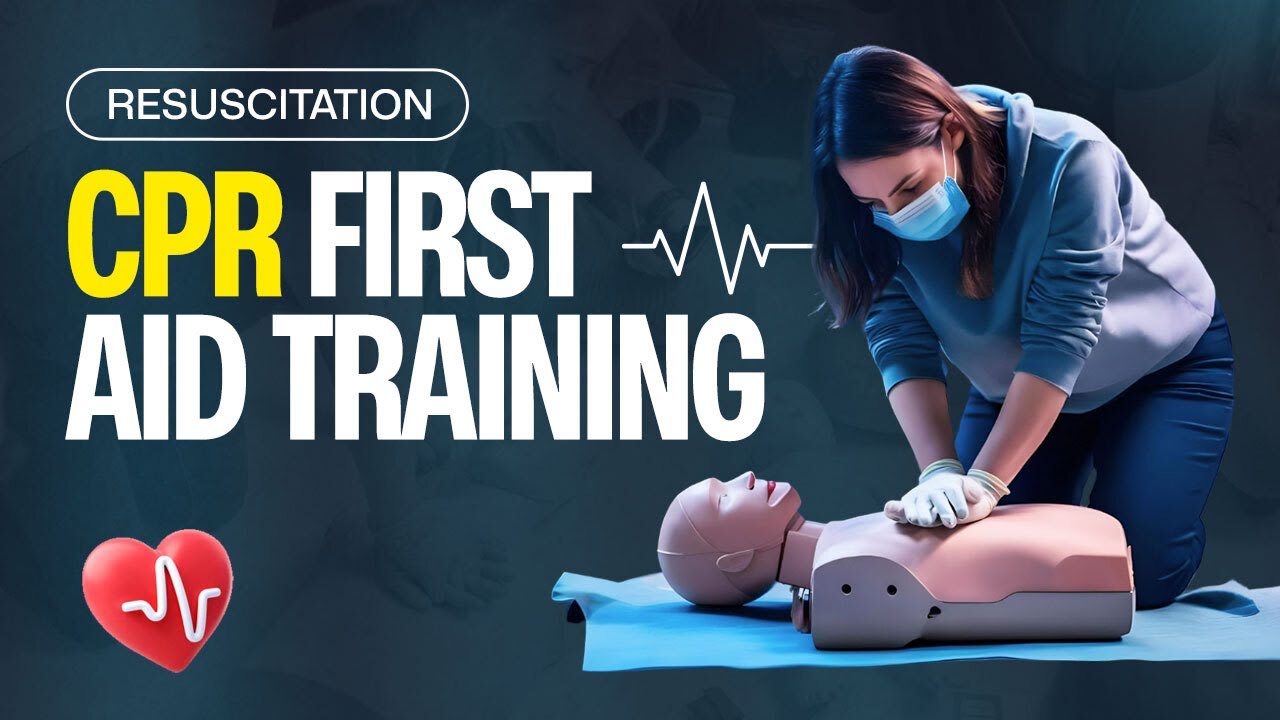
Are there any type of age-specific factors to consider in CPR?
Yes! Modifications must be made based upon age; infants require gentle taps while young children require lighter stress compared to grownups who take advantage of much deeper compressions as much as 2 inches in depth.

What takes place if I make errors while performing CPR?
Even imperfect efforts at mouth-to-mouth resuscitation are far better than not doing anything at all! Adhere to the basic steps diligently-- emergency responders will take control of when they show up but your intervention might save a life!
How does using an AED fit into my mouth-to-mouth resuscitation efforts?
An Automated External Defibrillator must be utilized as soon as it's readily available-- follow its motivates very carefully while continuing breast compressions till motivated otherwise by the gadget itself!
Why ought to I pursue BLS certification?
BLS certification gives important abilities that encourage individuals not only properly however directly-- it prepares you both mentally and physically for emergency situations so you can act decisively!

Conclusion
Finding the right balance between rate and effectiveness in administering CPR genuinely influences results in emergency situation scenarios involving cardiac arrest victims. From comprehending standard vs innovative life support principles through checking responsiveness all while grasping public defibrillator use-- it's clear that education plays a considerable role in gearing up people with lifesaving skills necessary today more than ever prior to! Taking these elements right into account together with recognizing when slower compression rates could prove beneficial makes advanced first aid certain that every person-- from laymans to healthcare professionals-- can confidently participate in acts of heroism no matter condition!
By embracing knowledge around these principles-- and obtaining accreditations-- we're all capable contributors towards building much safer areas furnished versus unanticipated emergency situations waiting just around our corners! So prepare folks-- the following time somebody needs assistance-- you'll know exactly what steps have to be taken!